Understanding Import Control System 2: Key Elements of Modern Trade Regulations

Global trade is a complex and highly regulated process, requiring robust mechanisms to ensure security, compliance, and efficiency. One of the most significant developments in recent years is Import Control System 2 (ICS2), a European Union initiative designed to enhance customs procedures, particularly in the realm of import safety and security.
ICS2 requires businesses, logistics providers, and customs authorities to exchange electronic pre-loading and pre-arrival information on goods entering the EU. By collecting detailed shipment data before goods even reach the border, the system enhances security screening and enables authorities to intercept high-risk shipments more effectively. It plays a critical role in preventing the entry of illicit goods, ensuring compliance with EU safety standards, and facilitating smoother customs clearance for legitimate trade.
HS Code: A Key Component in Customs Declarations
A crucial aspect of trade and customs procedures under ICS2 is the Harmonized System (HS) code. The HS code is an internationally recognized classification system for traded goods, developed by the World Customs Organization (WCO). It consists of a six-digit numerical structure that categorizes goods based on their composition, function, and application.
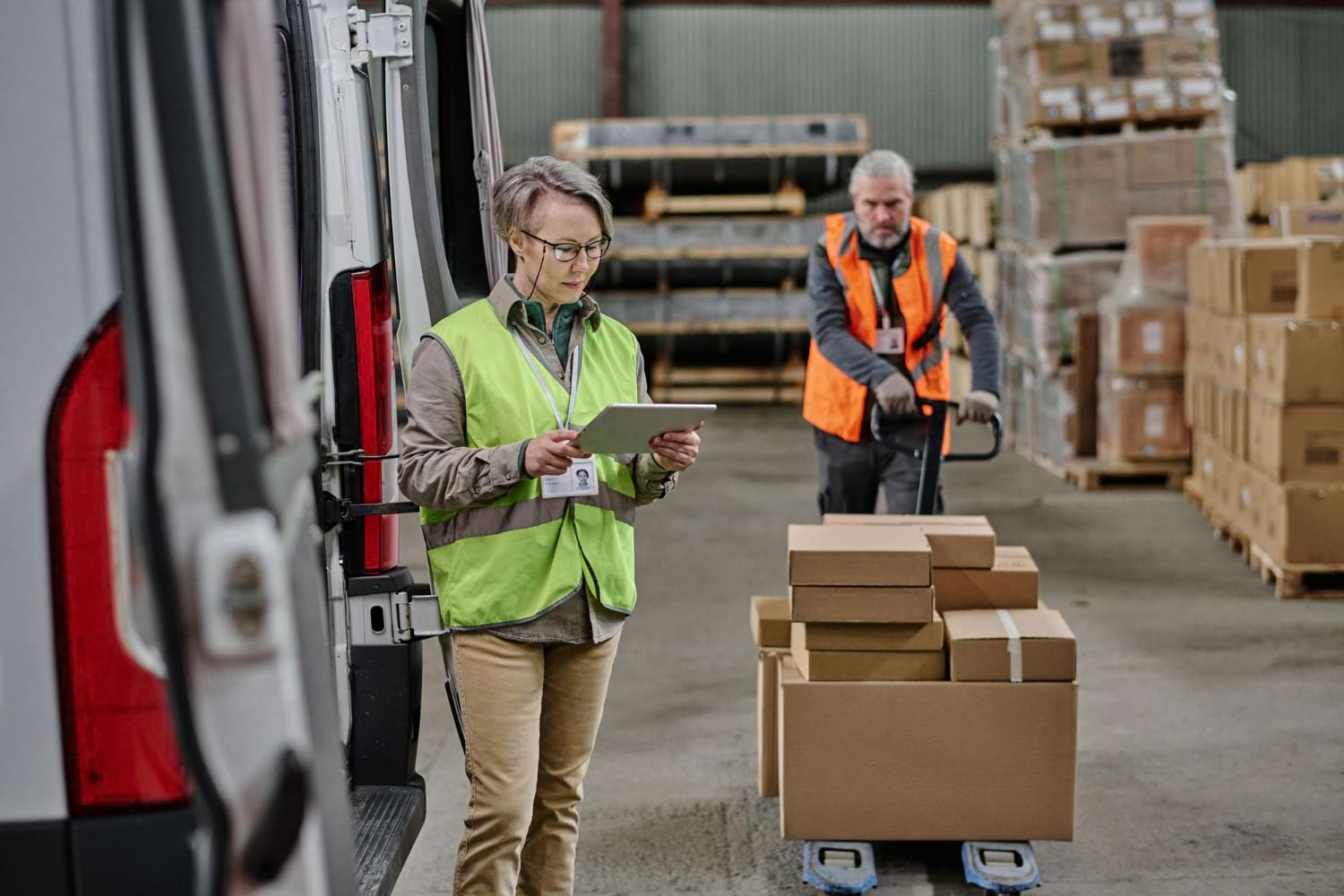
The HS code serves multiple purposes in international trade. First, it determines tariff rates and duties applied to imported goods, influencing the overall cost of shipments. Second, it facilitates customs clearance by providing a standardized method of classifying products across different jurisdictions. Third, it helps regulatory authorities assess import restrictions, compliance requirements, and potential risks associated with specific goods.
With the introduction of Import Control System 2, accurate HS code classification becomes even more critical. Customs authorities rely on this coding system to conduct risk assessments and determine whether shipments meet EU regulatory standards. Any inaccuracies in HS code declaration can lead to delays, fines, or even seizure of goods at the border. Therefore, businesses must ensure that their HS code classifications are precise and aligned with the latest international trade regulations.
The Importance of EORI Number in ICS2 Compliance
Another fundamental requirement for businesses engaging in international trade under ICS2 is the Economic Operators Registration and Identification (EORI) number. This unique identifier is assigned to businesses and traders involved in customs-related activities within the EU.

The EORI number is essential for multiple reasons. It enables customs authorities to track and monitor trade activities, ensuring compliance with import regulations. It also simplifies customs declarations by linking a company’s trade activities to a unique reference number, reducing paperwork and expediting processing times. Additionally, the EORI number is crucial for accessing ICS2 functionalities, as it allows economic operators to submit electronic Entry Summary Declarations (ENS) before goods arrive at EU borders.
Failure to obtain and use an EORI number can result in shipment delays, additional inspections, and non-compliance penalties. Businesses that regularly import goods into the EU must register for an EORI number with the relevant customs authority in their country of establishment.
The Future of Import Control System 2
The Import Control System 2 represents a significant step forward in securing international trade while maintaining efficiency in customs operations. With its emphasis on electronic data exchange, risk assessment, and compliance enforcement, ICS2 enhances the EU’s ability to regulate imports effectively.
For businesses engaged in global trade, understanding the intricacies of HS codes, the importance of an EORI number, and the overall requirements of ICS2 is essential for maintaining compliance and ensuring smooth customs processing. By adopting best practices and staying informed about evolving trade regulations, businesses can navigate the complexities of ICS2 while optimizing their import strategies in an increasingly regulated global market.