Remote site inspection: transforming business processes

Modern technologies have revolutionized how businesses operate, especially when it comes to site inspections. Traditional methods of inspecting warehouses, factories, or construction sites often required physical presence, travel expenses, and significant time investment. However, with the advent of remote site inspection, businesses can streamline these processes efficiently.
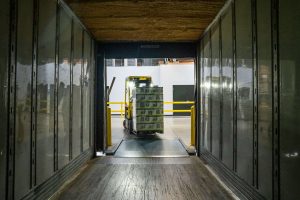
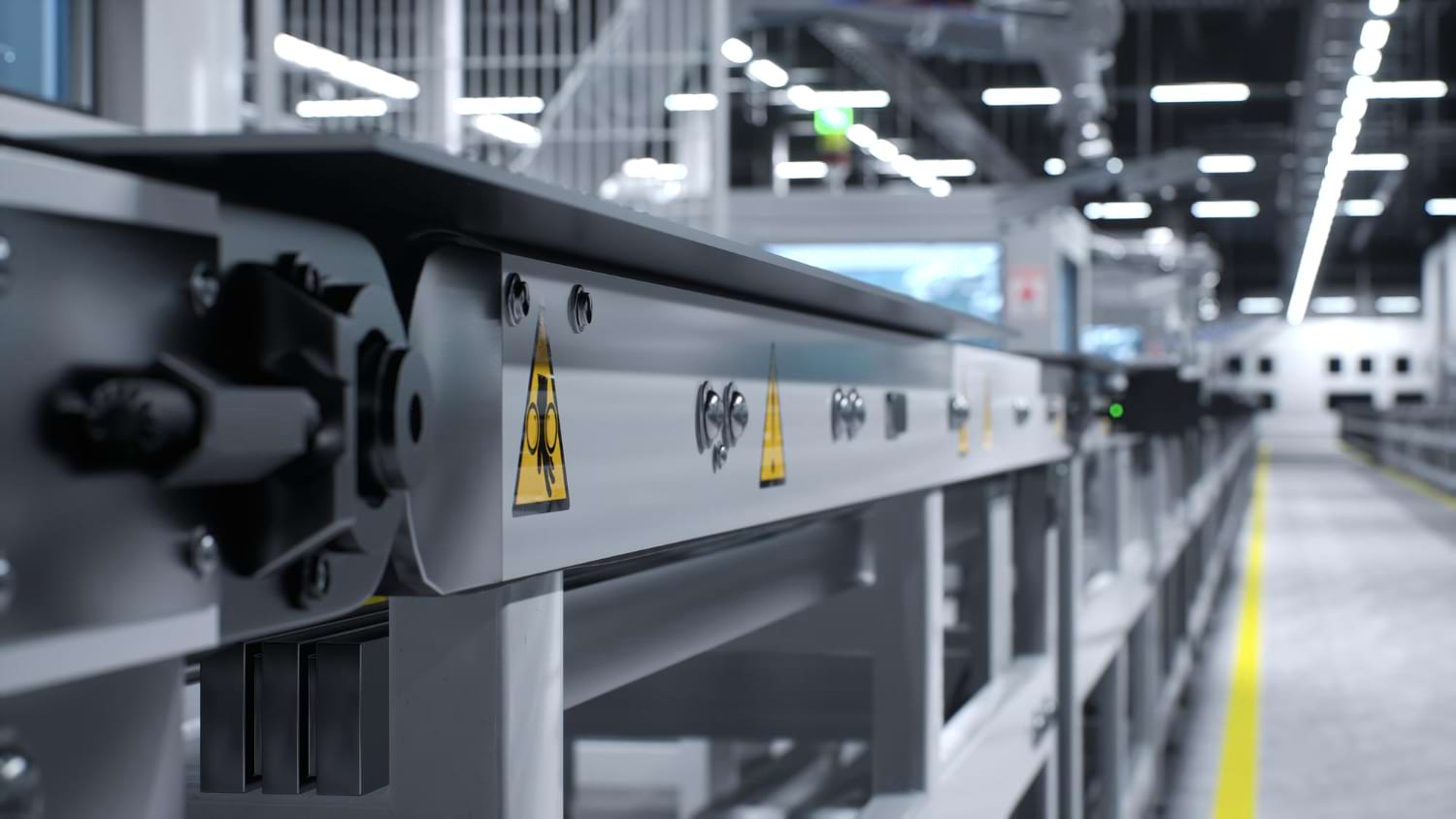
By utilizing webcams, wireless internet, and advanced software, companies can transmit high-quality images and sound from any location. A notable application of this technology is warehouse inspections, where managers can oversee operations remotely, ensuring proper inventory management and safety compliance. Similarly, factories can be monitored in real-time, allowing engineers and supervisors to detect potential issues without being physically present. This approach not only saves time but also reduces operational costs, making it a preferred choice for businesses aiming to optimize their resources.
Furthermore, the ability to conduct a remote site inspection extends to construction sites. This is particularly useful in overseeing progress, ensuring adherence to safety protocols, and maintaining clear documentation. The integration of 360-degree panoramic cameras further enhances this process, offering comprehensive views that can be recorded and stored for future reference. Such advancements ensure that inspections are thorough and reliable, even without being on-site.
How 360-degree panoramic technology elevates remote inspections
A standout feature in the evolution of remote site inspection systems is the use of 360-degree panoramic cameras. Unlike standard cameras, these devices provide a holistic view of the environment, capturing every detail from multiple angles. For businesses, this means more accurate data collection and better-informed decision-making.
Construction companies, for instance, benefit significantly from this technology. Project managers can virtually “walk through” sites, inspecting structural progress, equipment placement, and worker compliance with safety guidelines. The images captured are not only used for real-time assessments but also serve as a reliable documentation tool. In case of disputes or audits, these recordings provide indisputable evidence of the site’s condition at any given point in time.

Benefits of wireless internet and webcams in remote inspections
The seamless integration of wireless internet and webcams has made remote site inspection accessible and practical for businesses of all sizes. These technologies eliminate geographical barriers, enabling stakeholders from across the globe to participate in site evaluations.
For instance, an international company can inspect its factories or warehouses located on another continent without the need for travel. High-speed internet ensures real-time streaming, while high-definition webcams provide crystal-clear visuals. This combination allows inspectors to assess equipment conditions, worker efficiency, and overall site safety with precision.
In addition, these technologies are instrumental in maintaining business continuity during unforeseen disruptions. During the global pandemic, for example, many companies adopted remote site inspection to sustain operations while adhering to social distancing protocols. This adaptability underscores the importance of these tools in modern business environments.
The ongoing advancements in remote inspection technologies promise even greater potential for businesses. Artificial intelligence (AI) and machine learning are likely to play significant roles in enhancing inspection accuracy and efficiency. AI-powered systems can analyze visual data in real-time, detecting anomalies, predicting potential issues, and even suggesting corrective measures. This level of automation reduces human error and speeds up decision-making processes.