The importance of translating technical manuals
Selling products in foreign markets
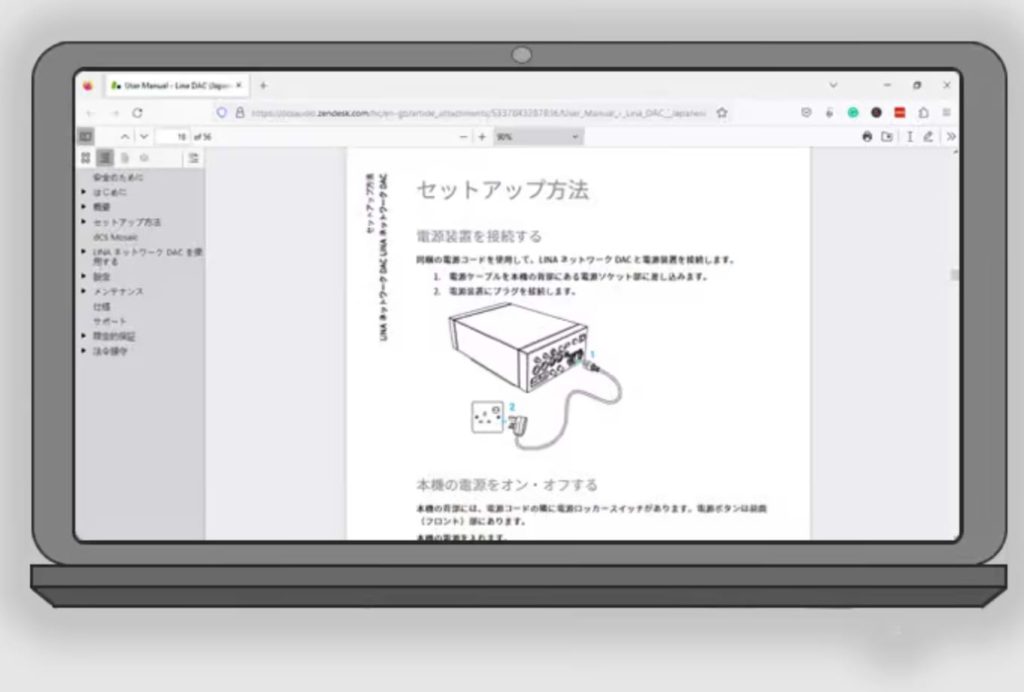
Expanding into foreign markets involves more than just shipping products overseas. One critical aspect is the preparation of user manuals in the local language. These documents are essential not only for regulatory compliance but also for ensuring that customers can use the products safely and effectively. A well-translated manual can significantly enhance the user experience, build trust in the brand, and reduce the risk of misuse or accidents. As companies aim to cater to a global audience, investing in high-quality translation of technical manuals becomes a strategic priority.
Translation of technical manuals – challenge of document translation
Translating all necessary documents for a specific market is a complex task that requires a blend of experience, domain knowledge, and language proficiency. It’s not just about converting text from one language to another; it’s about understanding the nuances of the product and the expectations of the end users in that market. This task demands precision and a deep understanding of both the source and target languages, as well as the cultural and technical context in which the product will be used. This ensures that the translated documents are not only accurate but also relevant and easily understood by the target audience.
Translation of technical manuals – complexity of technical manuals
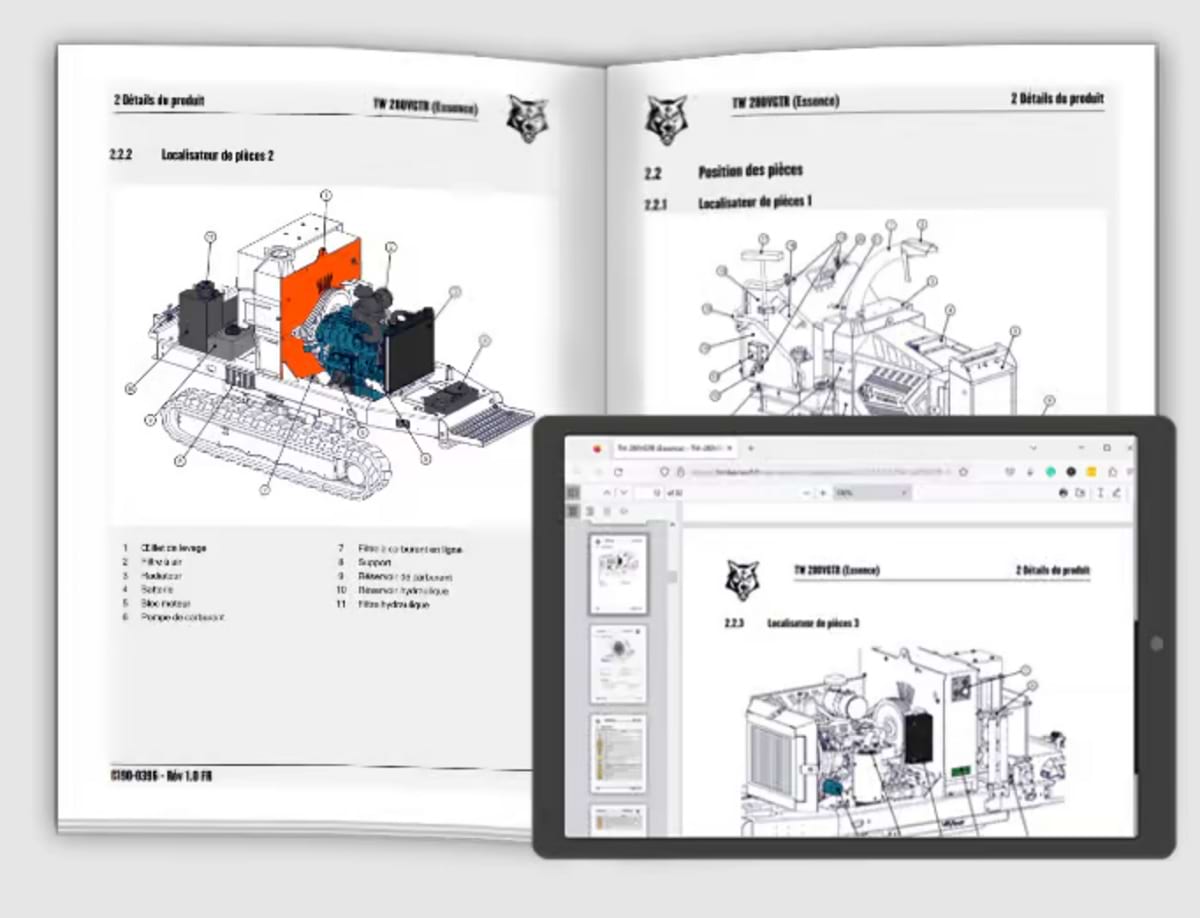
Translating technical manuals is particularly demanding. It requires a comprehensive understanding of the industry to which the product belongs. Technical terminology and industry-specific jargon must be accurately translated to maintain the integrity and clarity of the manual. This is why language experts often collaborate with engineers and subject matter experts during the translation process. Engineers provide insights into the technical details, while language professionals ensure that these details are communicated effectively in the target language. This collaboration is crucial to producing manuals that are both technically accurate and linguistically precise.
Translating manuals for various industries
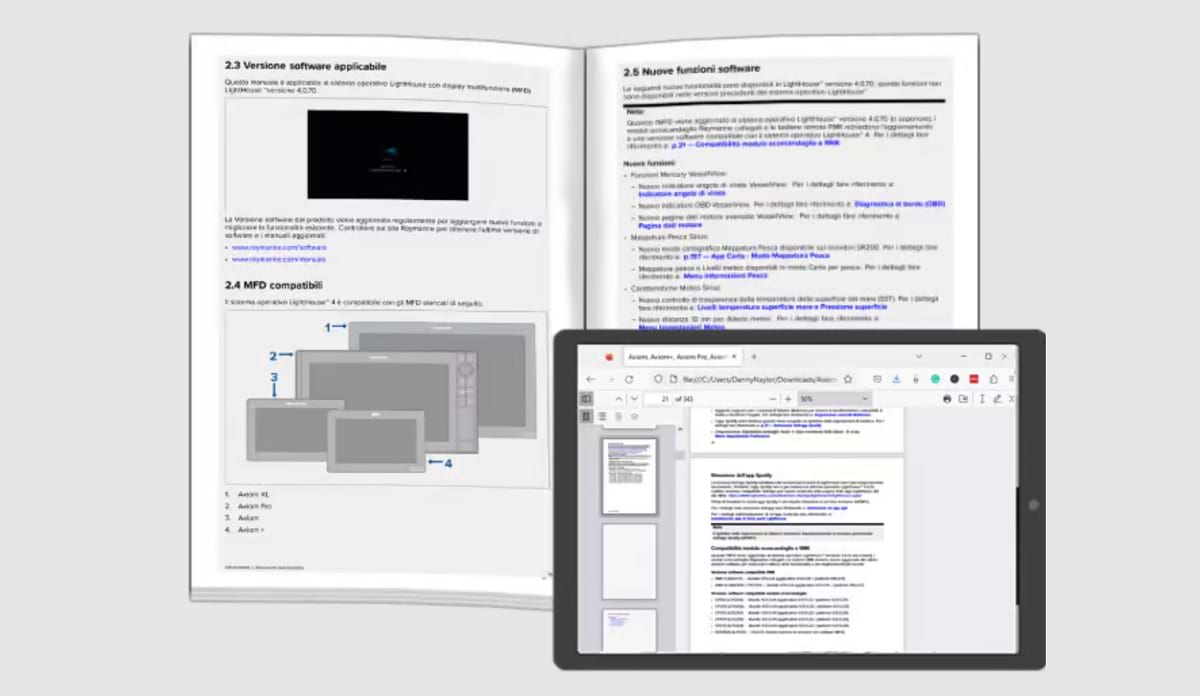
The scope of technical manual translation covers a wide range of industries, including mechanical devices, construction machinery, and software. Each of these fields has its own set of terminologies and operational standards. For example, translating a manual for a piece of construction equipment involves understanding complex mechanical processes and safety standards. Similarly, translating software manuals requires knowledge of both software engineering and the user interface of the application. By combining the expertise of technical professionals with that of skilled translators, companies can ensure that their manuals are comprehensive and user-friendly.
The strategic role of translation services
Companies that offer technical manual translation services play a pivotal role in helping their clients penetrate new markets. By providing accurate and compliant documentation, these firms enable businesses to meet local regulations and standards, thereby facilitating smoother market entry. Furthermore, well-translated manuals help in minimizing user errors, reducing the need for customer support, and enhancing overall customer satisfaction. Ultimately, these translation services are essential for businesses looking to establish a strong international presence and achieve long-term success in global markets.
In conclusion, the translation technical manuals is a sophisticated process that necessitates specialized knowledge and a collaborative approach. It is a vital component of international business strategy, ensuring that products are accessible, safe, and user-friendly for customers around the world. As global trade continues to expand, the demand for expert translation services will only grow, highlighting the critical role these services play in the success of multinational enterprises.