Air Quality and Its Impact on Public Health
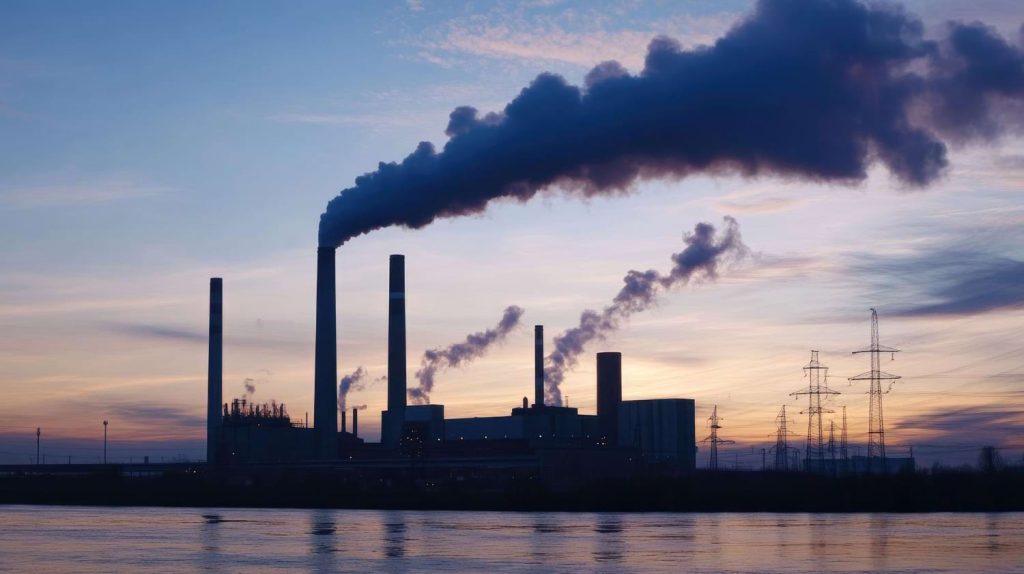
Air quality plays a crucial role in maintaining the health and well-being of individuals and communities around the world. With rapid industrialization, urbanization, and changes in environmental policies, air pollution has become a significant global concern. Poor air quality can lead to a variety of health issues, ranging from respiratory problems to cardiovascular diseases, and even premature death.
The World Health Organization (WHO) has established comprehensive air quality guidelines to help nations and regions combat the harmful effects of air pollution. These guidelines aim to define safe levels of air pollutants and encourage governments and organizations to adopt policies to improve air quality. The updated WHO Global Air Quality Guidelines provide important recommendations that can guide global efforts to reduce air pollution and protect public health.
WHO Global Air Quality Guidelines and Their Importance
The updated WHO Global Air Quality Guidelines provide recommendations on air quality guideline levels as well as interim targets for six key air pollutants. These pollutants have been identified as critical contributors to poor air quality and significant risks to public health. The WHO Air Quality Guidelines are based on extensive scientific research that links exposure to these pollutants with adverse health outcomes. The guidelines serve as a reference point for governments, policy-makers, and healthcare professionals to make informed decisions on air quality management and protection.
The WHO Air Quality Guidelines identify the levels of air quality necessary to protect public health worldwide. These guidelines are essential for addressing the global burden of disease caused by air pollution, particularly in urban areas where pollution levels tend to be higher. The guidelines are also valuable for setting national air quality standards, monitoring air pollution levels, and taking actions to reduce harmful emissions from various sources.
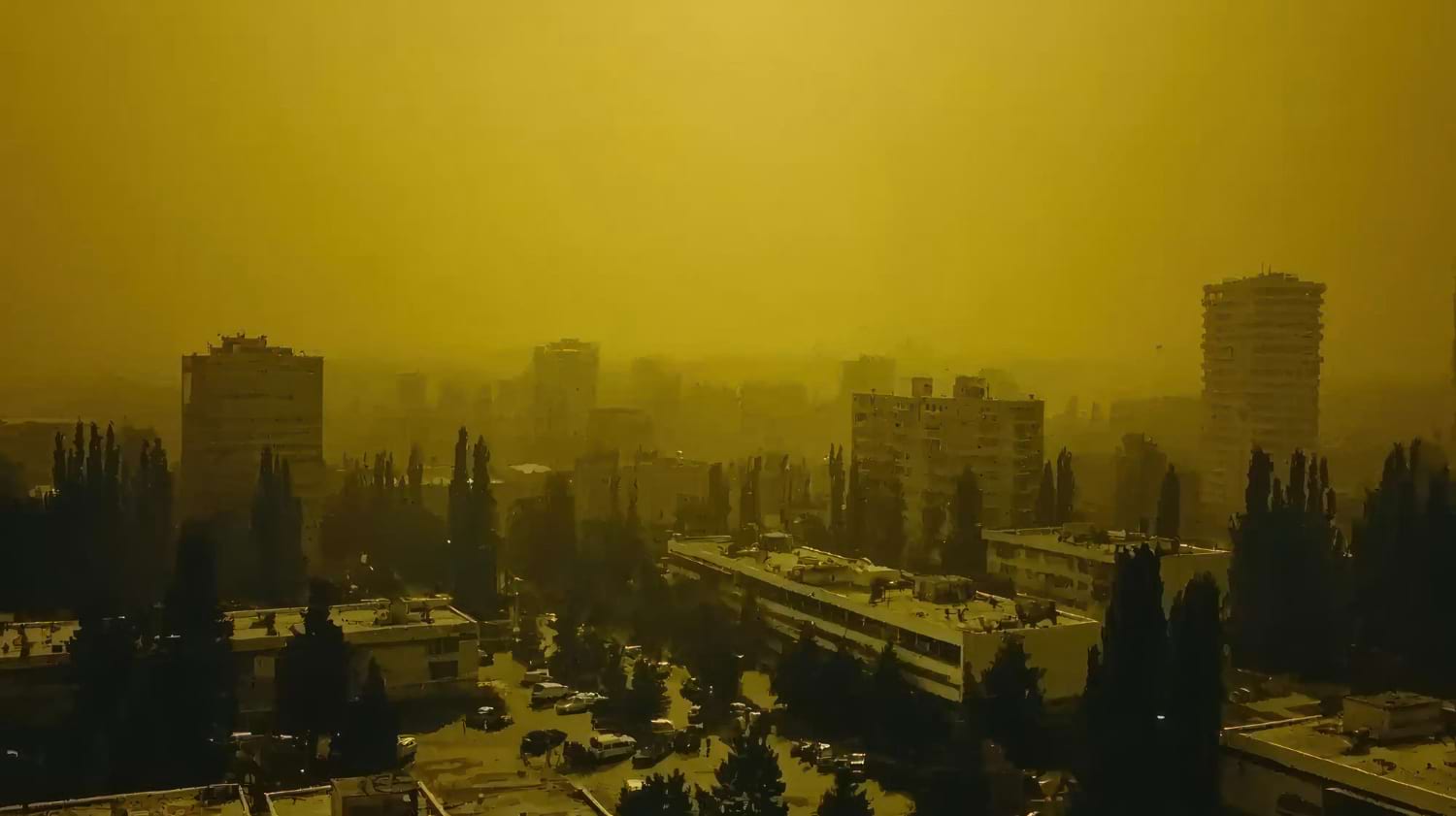
The Six Key Air Pollutants Targeted by WHO Guidelines
The global air quality guidelines focus on so-called classical pollutants, which have been studied extensively for their impact on human health. These pollutants include particulate matter (PM2.5 and PM10), ozone (O3), nitrogen dioxide (NO2), sulfur dioxide (SO₂), and carbon monoxide (CO). Each of these pollutants poses unique risks to health, and the WHO has provided specific guideline levels for each to ensure safe air quality.
Particulate Matter (PM2.5 and PM10)
Particulate matter (PM) is a term used to describe tiny particles or droplets suspended in the air. These particles can be inhaled into the lungs, causing respiratory and cardiovascular diseases. Particulate matter is classified based on its size, with PM2.5 representing particles that are 2.5 micrometers or smaller in diameter, and PM10 representing particles that are 10 micrometers or smaller.
Ozone (O3)
Ozone is a gas that forms when sunlight reacts with pollutants such as volatile organic compounds (VOCs) and nitrogen oxides (NOX). While ozone is essential in the upper atmosphere for protecting the Earth from harmful ultraviolet radiation, ground-level ozone is a major air pollutant and a key component of smog. Breathing in high levels of ground-level ozone can cause shortness of breath, chest pain, and worsen respiratory conditions such as asthma and bronchitis.
Nitrogen Dioxide (NO2)
Nitrogen dioxide (NO2) is a pollutant that forms when fossil fuels are burned, especially in vehicles and industrial facilities. Prolonged exposure to nitrogen dioxide can lead to respiratory problems, including aggravated asthma, bronchitis, and other lung diseases. NO2 also contributes to the formation of ground-level ozone and fine particulate matter, further exacerbating air pollution.
Sulfur Dioxide (SO₂)
Sulfur dioxide (SO₂) is a gas produced primarily by the burning of fossil fuels containing sulfur, such as coal and oil. It is a major contributor to the formation of acid rain and can have harmful effects on the respiratory system. Short-term exposure to sulfur dioxide can cause coughing, wheezing, and shortness of breath, while long-term exposure can lead to more severe lung conditions.
Carbon Monoxide (CO)
Carbon monoxide (CO) is a colorless, odorless gas that is produced by the incomplete combustion of carbon-containing fuels. Exposure to high levels of carbon monoxide can lead to poisoning, resulting in symptoms such as dizziness, headaches, and nausea. In severe cases, carbon monoxide poisoning can be fatal.

Setting Targets for Air Quality Improvement
The updated who air quality guidelines also provide interim targets for each of the six pollutants, offering a roadmap for improving air quality over time. These targets are designed to help countries and regions gradually reduce pollution levels while taking into account local conditions and available resources. The guidelines acknowledge that achieving optimal air quality is a long-term process and that incremental progress is key to improving public health outcomes.
By setting clear targets for air quality improvements, governments and policymakers can prioritize efforts to reduce emissions, implement stricter air quality regulations, and invest in technologies that reduce pollution. These actions, when implemented effectively, can lead to significant reductions in the burden of disease caused by air pollution.