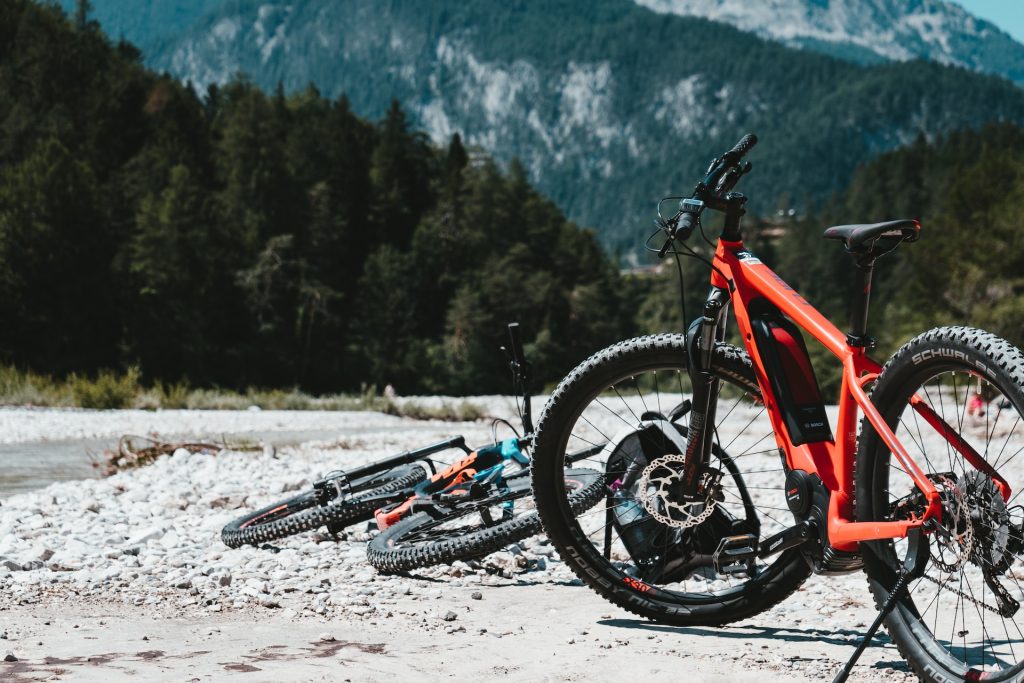
In recent years, the demand for custom bikes has surged, reflecting a growing desire among cyclists for unique, personalized machines that stand out in a sea of mass-produced models. Custom bikes offer a perfect blend of artistry and engineering, tailored to meet the specific needs, preferences, and aesthetics of their owners. This article explores the appeal of custom bikes, the process of creating them, and the benefits they offer to discerning cyclists.
The Appeal of Custom Bikes
Custom bikes cater to a diverse range of cyclists, from competitive racers seeking performance advantages to casual riders desiring a bike that reflects their personal style. The primary allure of custom bikes lies in their individuality. Unlike standard models, which are produced in large quantities, custom bikes are handcrafted, ensuring that no two are exactly alike. This uniqueness is highly valued by cyclists who want to express their personality through their ride.
Additionally, custom bikes offer an opportunity for enhanced performance. Riders can select specific components and materials that suit their riding style and terrain. Whether it’s a lightweight frame for climbing, robust tires for off-road adventures, or an ergonomic setup for long-distance comfort, custom bikes can be fine-tuned to deliver optimal performance and ride quality.
The Process of Creating a Custom Bike
Creating a custom bike is a meticulous process that involves close collaboration between the rider and the builder. It begins with a detailed consultation to understand the rider’s needs, preferences, and goals. This stage is crucial for defining the bike’s intended use, desired aesthetics, and budget. Some companies, like WrenchScience offers theirs Bike Builder -> where you can choose riding style, manufacturer, model, and then choose a color, ize, fork, headset, disk type, and a lot more. It’s very simple and you can easily save your build for later.
Design and Geometry
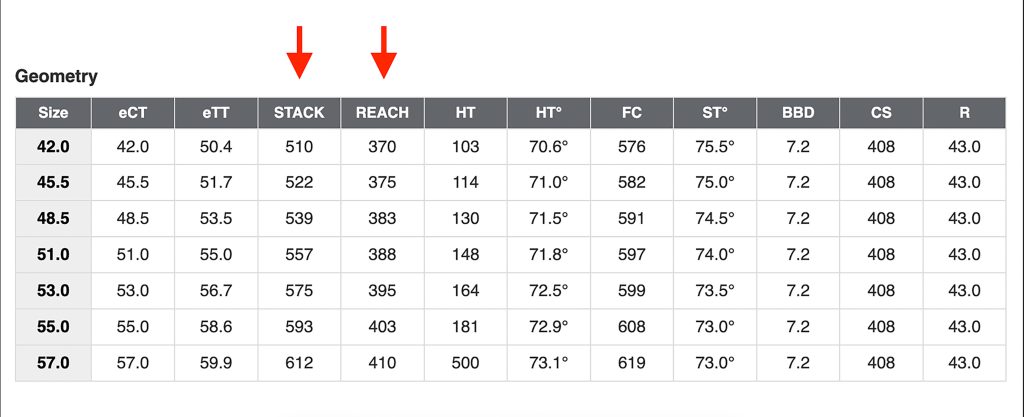
The design phase involves determining the bike’s geometry, which is essential for achieving the right fit and handling characteristics. Custom builders take precise measurements of the rider to ensure that the frame geometry is tailored to their body dimensions. This personalized fit enhances comfort and efficiency, reducing the risk of injuries and improving overall riding experience.
Material Selection
Material selection is another critical aspect of custom bike building. Common materials include steel, titanium, aluminum, and carbon fiber, each offering distinct advantages. Steel is renowned for its durability and smooth ride quality, while titanium provides a combination of strength, light weight, and corrosion resistance. Aluminum is lightweight and affordable, making it a popular choice for many riders. Carbon fiber, known for its exceptional strength-to-weight ratio, is preferred by performance-oriented cyclists.
Component Customization
Beyond the frame, custom bikes offer extensive options for component selection. Riders can choose specific drivetrains, brakes, wheels, and other components based on their performance needs and personal preferences. High-end custom builds often feature top-of-the-line components from renowned manufacturers, ensuring the highest levels of performance and reliability.
Assembly and Finishing
Once the design and components are finalized, the bike enters the assembly phase. Skilled craftsmen meticulously build the bike, paying close attention to detail to ensure that every component is perfectly aligned and functioning. The finishing touches, such as paint and decals, are applied according to the rider’s specifications, resulting in a truly one-of-a-kind machine.

Benefits of Custom Bikes
Personalized Fit and Comfort
One of the most significant advantages of custom bikes is the personalized fit. Custom geometry ensures that the bike aligns perfectly with the rider’s body, reducing discomfort and enhancing efficiency. This tailored fit is particularly beneficial for riders with unique body proportions or those who suffer from discomfort on standard bikes.
Enhanced Performance
Custom bikes allow for precise tuning of performance characteristics. Riders can select materials and components that match their riding style and the terrain they typically encounter. This results in a bike that feels more responsive, handles better, and performs optimally under various conditions.
Durability and Quality
Custom bikes are typically built with high-quality materials and components, ensuring longevity and reliability. The attention to detail in the construction process further enhances the bike’s durability, making it a worthwhile investment for serious cyclists.
Unique Aesthetics
For many riders, the aesthetic appeal of a custom bike is a significant draw. Custom paint jobs, unique frame designs, and personalized decals allow cyclists to create a bike that is a true reflection of their personality and style. This uniqueness not only makes the bike stand out but also instills a sense of pride and ownership.
Conclusion
Custom bikes represent the pinnacle of cycling craftsmanship, offering unparalleled levels of personalization, performance, and quality. Whether for competitive racing, long-distance touring, or simply enjoying weekend rides, a custom bike can elevate the cycling experience to new heights. As more cyclists seek to express their individuality and achieve the perfect ride, the demand for custom bikes is likely to continue its upward trajectory. Investing in a custom bike is not just about acquiring a mode of transport; it’s about embracing a piece of functional art that embodies the rider’s passion and dedication to the sport.